We use cookies!
Good morning! Our website uses essential cookies to ensure its proper functioning and analytical cookies to let us know how the users interact with our site in order for us to improve it. More about cookies here.
The environment is the area where our business has the most direct impact. We divide it into two areas: energy, and nature and resources. For both, we know what we want to achieve and by when.
We subscribe to the Paris Agreement, the EU’s climate goals and the commitment to reduce emissions across the value chain by 2050. The nearest milestone is 2030.
We will publish the climate transition and decarbonisation plan in 2027, with building-by-building targets on a 1.5 °C trajectory. The baseline year is FY2025 under the GHG Protocol, and the data has not yet been externally verified. We report carbon credits separately and do not count them towards our targets.
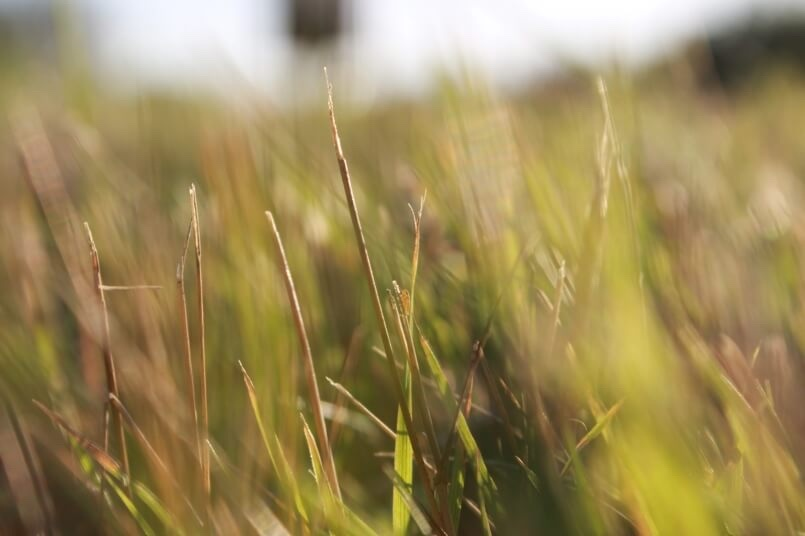
of revitalised brownfield land, roughly 29% of our leasable area
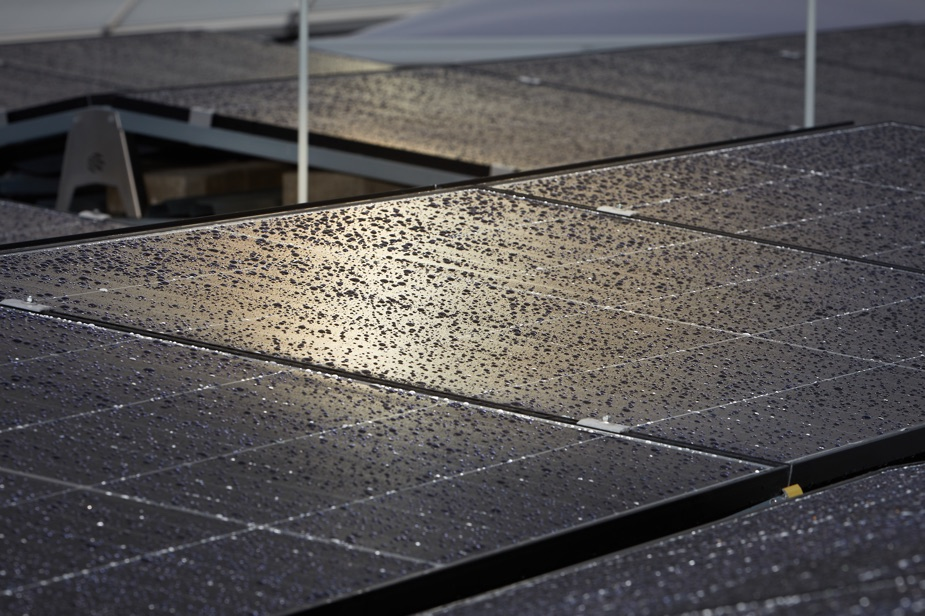
of rooftop photovoltaics in our parks by 2030
of leasable area with smart metering by 2030
emissions reduction across the value chain, excluding carbon credits
Every site has its own natural characteristics, so we approach land, water and materials through the specific measures described below.
We approach the energy performance of new and existing buildings according to the possibilities of each one, because operation depends on what tenants do in them.
We design all new projects and register them for BREEAM certification at Excellent level or higher, or alternatively DGNB at Gold level or higher. We maintain and expand BREEAM, DGNB and LEED certifications in the existing portfolio.
In the existing portfolio, we are introducing smart metering across the entire area; we assess renovations and photovoltaics on the basis of feasibility and payback. We plan decarbonisation from the outset as part of every project.
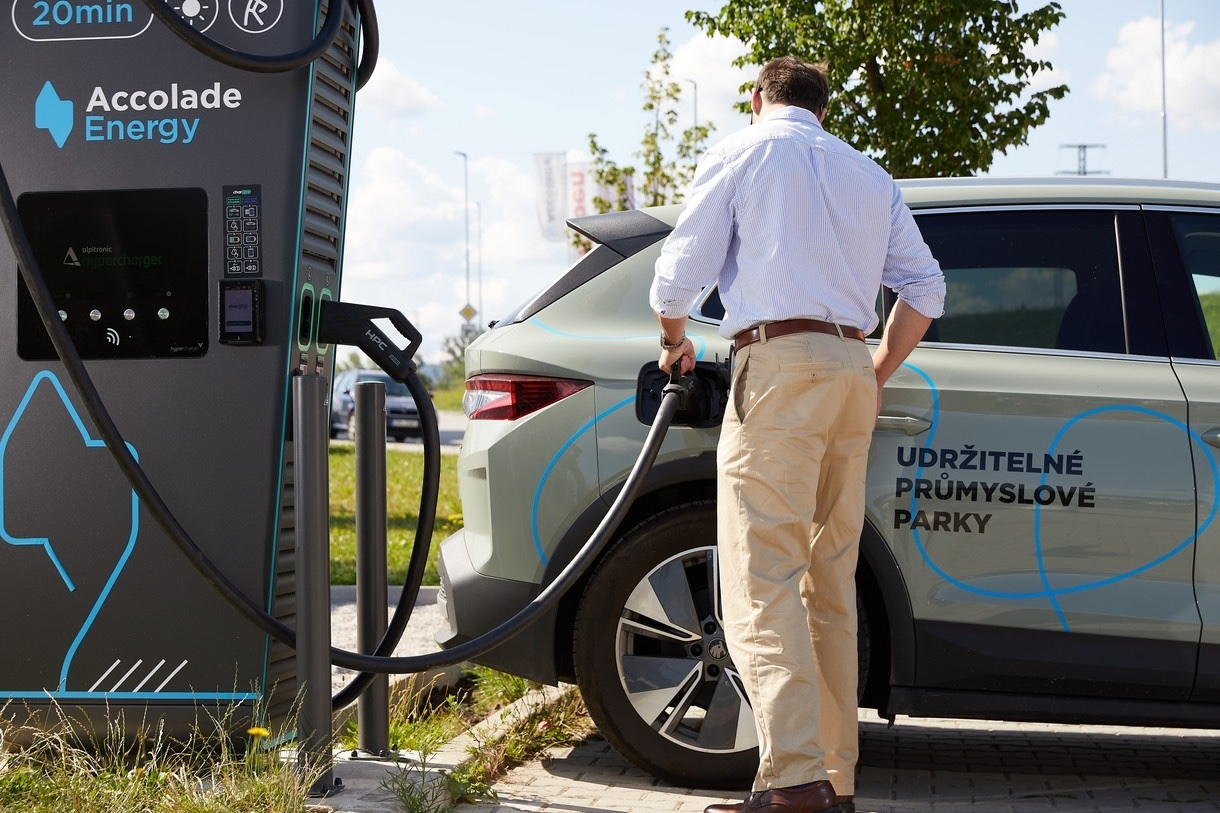
See what energy solutions we offer to tenants.
In the double materiality assessment of July 2025, biodiversity fell below the materiality threshold. We nevertheless set targets as voluntary commitments beyond the material topics and report on them as such.
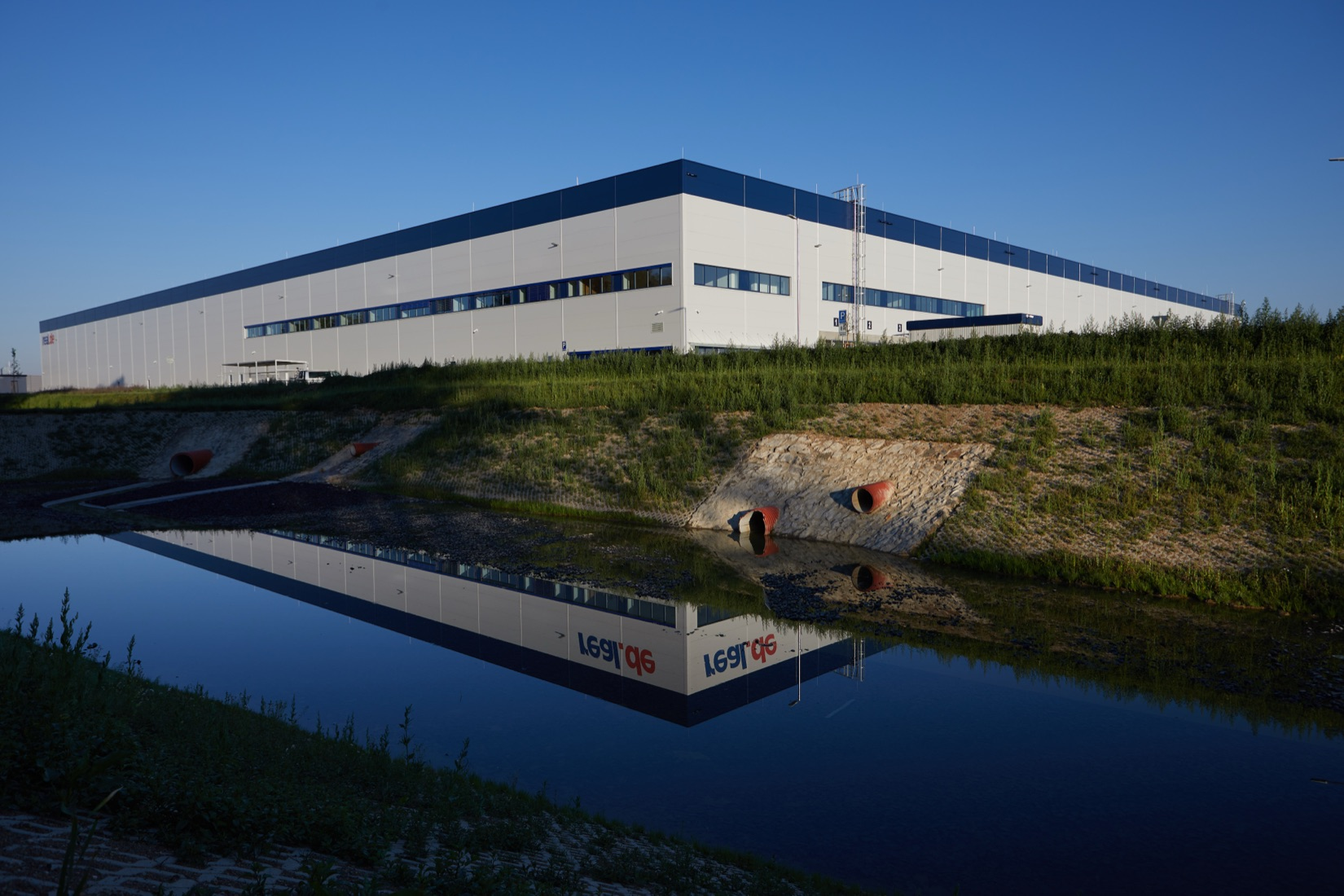
Industry in Europe has already taken up a lot of land, so we build where building took place before, not on open countryside. Over more than ten years, we have revitalised more than 1.1 million m² of brownfield land, roughly 29% of our leasable area.
Where we can, we bring a piece of nature back into our parks: we plant native species, create areas for pollinators, use lighting that is gentle on the night sky and maintain greenery without pesticides. At new sites, we carry out an initial biodiversity survey so that we can measure real change.
The cheapest waste is the waste that is never created. That is why we address materials already at the design stage: we design so that waste is not generated, and we deliberately specify recycled and reused materials.
For entire buildings, we carry out life cycle assessments using verified environmental product declarations, so we know how much carbon is embodied in the construction itself, not just in its operation. At the end of a lease, we arrange take-back and recycling of equipment.
In the double materiality assessment of July 2025, water fell below the materiality threshold. We nevertheless set targets as voluntary commitments beyond the material topics and report on them as such.
We cannot save water that we do not measure. That is why we monitor its consumption with smart metering, and leak detection shows us where water is being lost unnecessarily so that we can intervene in time.
At the same time, we do not regard rain as a problem to be carried away as quickly as possible. We collect rainwater and manage rainfall at source, in sustainable drainage systems (SuDS) that capture it, retain it and let it soak away on site.
We measure water withdrawn by the landlord in m³ per m² of leasable area per year. Most water is withdrawn by tenants for their own processes, which we do not control; we measure it where possible and report it separately.
Sustainability Department